 ultimate-guide
Relocating to Palm Beach County 2026: Complete Guide
Table of Contents
- Understanding the Palm Beach County Market Before You Move
- Best Places to Live in Palm Beach County: Neighborhoods Compared
- Cost of Living in Palm Beach County: What to Budget
- Palm Beach County Housing Market 2026: Buying vs. Renting
- How to Find a Rental in Palm Beach County: Step-by-Step
- Schools, Jobs, and Lifestyle: What Matters Most
- Flood Zones, Insurance, and Hurricane Preparedness
- Your Step-by-Step Relocation Checklist
- Frequently Asked Questions
Last Updated: October 16, 2026
Understanding the Palm Beach County Market Before You Move
Relocating to Palm Beach County in 2026 means navigating a market shaped by strong demand, diverse neighborhoods, and unique environmental factors. At Easy Real Estate USA, we help relocating families and investors get clarity on where to settle and what to expect financially.
The county's appeal lies in its lifestyle, employment opportunities, and year-round climate, but the market has shifted since 2024: property values have stabilized, insurance costs have risen due to hurricane exposure, and rentals remain competitive in popular areas.
This guide covers neighborhoods, real costs, the rent-versus-buy decision, and practical transition steps, including the factors most people overlook: flood zones, insurance, school quality, and job market specifics by area.
Best Places to Live in Palm Beach County: Neighborhoods Compared
The county's neighborhoods fall into three categories: walkable urban centers, family-focused communities with strong schools, and coastal options with beach access.
West Palm Beach and Downtown Living
West Palm Beach offers urban convenience without Miami's density. Its downtown has transformed with new restaurants, galleries, and mixed-use developments, attracting younger professionals, empty-nesters, and creatives.
The trade-off: higher density, limited parking, and smaller spaces than suburban alternatives.
Flood risk varies by block: waterfront areas sit in higher-risk zones, while inland blocks near Clematis Street are lower-risk.
Jupiter and Palm Beach Gardens: Family-Focused Communities
Jupiter and Palm Beach Gardens dominate the family market, prioritizing schools, parks, and stability.
These neighborhoods attract families relocating to Palm Beach County for schools: Jupiter High and Palm Beach Gardens High both rank in the top tier countywide.
Housing costs are higher than West Palm Beach but lower than oceanfront communities.
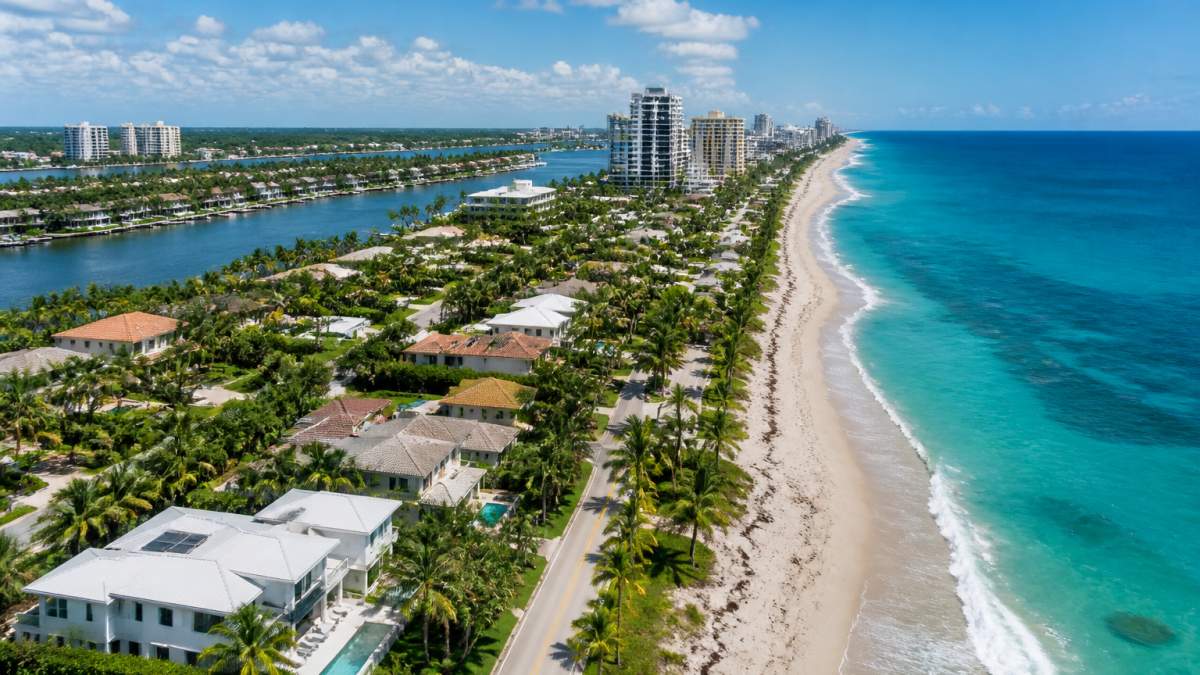
Coastal Options: Singer Island and Juno Beach
Singer Island and Juno Beach deliver beach lifestyle with smaller populations than Miami Beach.
Both areas command premium pricing for ocean access, and flood insurance is mandatory and expensive. Hurricane risk is higher than inland, and property insurance reflects it.
Juno Beach appeals to retirees and established families; Singer Island attracts younger professionals and investors.
Cost of Living in Palm Beach County: What to Budget
Relocating to Palm Beach County requires understanding total costs, not just rent or mortgage. Housing dominates, but insurance, utilities, and transportation add significant expense.
Housing Costs and Property Taxes
Housing costs vary by neighborhood and property type.
Florida property taxes are lower than many states, but Palm Beach County assessments have risen as values stabilized higher.
If buying, factor in HOA fees for condos or gated communities, which range from minimal to several hundred dollars monthly depending on amenities and maintenance.
Insurance, Utilities, and Other Essentials
Property insurance is a major cost driver in Palm Beach County.
Utilities are moderate year-round: air conditioning runs most months, but there are no northern-style heating costs.
Groceries and general living costs align with national averages, and dining and entertainment span all price points, so lifestyle choices drive spending more than location.
Palm Beach County Housing Market 2026: Buying vs. Renting
The 2026 market favors different strategies depending on your timeline and finances. Rentals remain tight in popular neighborhoods, while buying is more accessible than during the 2022-2024 appreciation cycles.
Current Market Conditions for Buyers
Home prices have stabilized after significant appreciation, creating entry opportunities without chasing a rising market. Competition remains intense, however, in desirable neighborhoods and school districts.
Mortgage rates in 2026 sit above pandemic lows but below 2023 peaks. If you're relocating to Palm Beach County with financing needs, locking rates early protects against movement, and a local lender familiar with Florida properties speeds approval and closing.
Inventory varies by neighborhood: popular school districts and coastal areas move quickly, sometimes with multiple offers, while inland and less-established neighborhoods offer more inventory and time to compare.
Rental Market Overview and Availability
Rentals in Palm Beach County remain competitive.
Leases typically run 12 months, though shorter terms are available at premium rates. Most landlords require first month's rent, last month's rent, and a security deposit equal to one month upfront, plus additional pet deposits.
Furnished rentals command 20-40% premiums over unfurnished units.
How to Find a Rental in Palm Beach County: Step-by-Step
Finding a rental requires systematic searching across multiple channels and fast responses, since desirable units lease within days of listing.
Using MLS Listings and Local Resources
MLS listings provide the most comprehensive view of available rentals. Easy Real Estate USA offers full access to real-time MLS data with accurate details and current pricing, and since many landlords list exclusively through MLS, this channel captures the widest selection.
Platforms like Zillow and Apartments.com aggregate listings but can lag MLS updates by days. Using MLS directly ensures current availability and lets you respond immediately to new listings in your target neighborhoods.
Local property management companies often hold portfolio properties not widely advertised. Contacting them directly with your timeline and preferences can surface opportunities before public listing, and relationships with local agents speed the search.
Navigating Lease Terms and Tenant Requirements
Landlords in Palm Beach County typically require proof of income (pay stubs or employment letter), credit check authorization, and previous landlord references.
Background checks are standard. Criminal history doesn't automatically disqualify you, but landlords assess the nature and recency of offenses; eviction history is a major red flag and often means automatic rejection.
Leases specify move-in costs, monthly rent, pet policies, and maintenance responsibilities.
Schools, Jobs, and Lifestyle: What Matters Most
Relocating to Palm Beach County involves evaluating schools, employment, and community fit, which determine long-term satisfaction more than any single neighborhood.
Education Options and School Rankings
Public schools in Palm Beach County vary in quality.
Charter schools offer alternatives, some with specialized STEM, arts, or International Baccalaureate curricula.
School choice programs let parents request out-of-zone transfers if space permits, helping families in weaker school zones access stronger options, though transportation becomes your responsibility.
Employment and Remote Work Infrastructure
The job market centers on finance, healthcare, tourism, and real estate.
Remote work infrastructure is solid, with reliable broadband countywide and co-working spaces in major areas.
Unemployment tracks slightly below national averages, and job growth has been steady since 2023, strongest in healthcare and professional services. Seasonal tourism and hospitality work fluctuates but suits flexible workers.
Recreation, Dining, and Community Life
The county offers extensive outdoor recreation: beaches for swimming, surfing, and paddleboarding; parks and trails for hiking and biking; and golf courses from public municipal to private clubs.
Dining spans casual to fine, with strength in seafood and Latin American cuisine reflecting the region's cultural mix.
Community events and cultural activities create social opportunities: art galleries, theater, seasonal festivals, and religious communities of many denominations.
Flood Zones, Insurance, and Hurricane Preparedness
Flood risk is the reality most relocating guides minimize.
FEMA maps flood zones and updates them periodically.
Hurricane season runs June through November, peaking in September and October.
Develop a hurricane preparedness plan before the season: identify evacuation routes, secure documents, and maintain emergency supplies.
Storm surge is the primary flood threat for coastal properties.
Your Step-by-Step Relocation Checklist
Relocating to Palm Beach County successfully requires organized planning across multiple timelines. This checklist breaks it into manageable phases.
6-12 Months Before the Move
Research neighborhoods and market conditions.
If you have children, research schools: visit campuses, review test scores and programs, and speak with current parents.
If buying, get pre-approved to establish your budget and show sellers you're serious. If renting, track prices and availability in target neighborhoods to understand market rates.
3-6 Months Before: Serious Planning Phase
Narrow your choices to 2-3 neighborhoods that align with your priorities, budget, and lifestyle.
If buying, begin active searching with a local agent familiar with your target neighborhoods.
If renting, contact property managers and landlords in your target areas with your timeline and preferences.
Finalize employment details: confirm start dates, remote work policies, and relocation assistance, and update your resume and professional profiles with your new location.
Final Month: Closing Preparations
Arrange moving logistics: get quotes and book early, since summer is busy, and notify your current landlord or sell your existing property if applicable.
Update your address with employers, banks, insurance companies, and government agencies. Obtain a Florida driver's license within 30 days of residency establishment. Register your vehicle with Florida plates.
Relocating to Palm Beach County means balancing opportunity against challenges like insurance costs and hurricane risk. Easy Real Estate USA helps relocating families navigate this complexity with full MLS access, bilingual support, and local expertise.
Frequently Asked Questions
What is the average salary needed to live comfortably in Palm Beach County?
Salary requirements depend heavily on your neighborhood choice and lifestyle. Coastal areas and West Palm Beach command higher costs than inland communities. Factor in property taxes, homeowners insurance, and flood insurance if your home is in a designated flood zone. First-time buyers should consult with a local real estate professional to understand specific neighborhood costs and financing options.
How much does it cost to live in Palm Beach County in 2026?
Cost of living in Palm Beach County varies significantly by neighborhood. Housing remains the largest expense; median home prices range widely depending on location and proximity to the coast. Renters typically pay for a two-bedroom apartment, with premium coastal areas commanding higher rates. Beyond housing, budget for property taxes, homeowners or flood insurance, utilities ($150-$250 monthly), and groceries. Overall, Palm Beach County ranks above the national average for cost of living, particularly in waterfront and established residential communities. Get a detailed breakdown from a local real estate expert familiar with your target neighborhood.
What should I know about flood zones and hurricane preparedness before moving to Palm Beach County?
Palm Beach County sits in an active hurricane zone with significant flood risk, particularly in coastal areas and low-lying inland neighborhoods. Federal flood maps classify many properties in Special Flood Hazard Areas (SFHAs), requiring flood insurance as a mortgage condition. Homeowners insurance in the county may exclude flood coverage; separate National Flood Insurance Program (NFIP) or private flood policies are essential. Before purchasing, review your property's flood zone designation, elevation certificate, and historical storm surge data. Most homes should have hurricane shutters, reinforced roofing, and a storm preparedness kit. Work with a local agent who understands flood risk and can guide you through insurance requirements.
Is it better to rent or buy when relocating to Palm Beach County?
Renting offers flexibility and lower upfront costs, making it ideal for first-time movers or those uncertain about long-term plans. Rental leases typically run 12 months; month-to-month options exist but command premium rates. Buying builds equity and provides stability, especially if you plan to stay 5+ years, but requires managing property taxes, insurance, maintenance, and potential hurricane-related repairs. Current market conditions, your financial readiness, and career stability should guide this decision. Many relocating families rent for 6-12 months to explore neighborhoods before committing to a purchase. A local real estate professional can help you weigh both options based on your specific circumstances and timeline.
How far in advance should I start looking for a home in Palm Beach County?
Start your search 6-12 months before your planned move. This timeline allows you to research neighborhoods, understand market conditions, and build relationships with local real estate professionals. If relocating for a job, begin 3-6 months before your start date. The market moves quickly, especially in desirable areas; early research prevents rushed decisions. Access real-time MLS listings through a local brokerage to track available properties, price trends, and neighborhood activity. If renting first, a 3-month advance search gives you time to secure a lease and arrange logistics. The earlier you start, the more informed and confident your decision will be.
What neighborhoods in Palm Beach County are best for families with children?
Jupiter and Palm Beach Gardens rank among the most family-friendly areas, offering top-rated schools, parks, and low crime rates. Both communities feature excellent public school systems and numerous recreational facilities. West Palm Beach has revitalized downtown neighborhoods with family-oriented dining and cultural activities, plus strong school options. Juno Beach and North Palm Beach provide quieter, coastal living with good schools and beach access. When choosing, research school ratings, proximity to parks and recreation, commute times to your workplace, and neighborhood safety statistics. Each area has distinct character; spend time visiting during different times of day to get a genuine feel for family life in that community.
What are the main differences between West Palm Beach and Palm Beach as places to live?
West Palm Beach is the larger, more diverse urban center with vibrant downtown, diverse dining and entertainment, younger demographic, and more affordable housing options. It attracts young professionals, families, and remote workers. Palm Beach is an exclusive, wealthy enclave known for luxury estates, pristine beaches, high-end shopping, and established old-money culture. Property values in Palm Beach far exceed West Palm Beach, and the lifestyle is significantly more formal. West Palm Beach offers urban energy and accessibility; Palm Beach offers exclusivity and prestige. Your choice depends on budget, lifestyle preference, and career focus. Both are excellent communities; the right fit depends on your priorities and financial capacity.
How does the job market in Palm Beach County support remote workers and career changers?
Palm Beach County has a diverse job market spanning healthcare, tourism, real estate, finance, and professional services. Remote workers benefit from strong internet infrastructure in most neighborhoods, though you should verify broadband availability in specific areas before relocating. The county attracts corporate headquarters and growing tech sectors, particularly in West Palm Beach. Career changers should research local employers in their field and consider networking opportunities through chambers of commerce and professional groups. Many relocating professionals continue remote work while building local connections. Speak with local real estate professionals about neighborhoods that cater to your industry and work style; they can often connect you with community resources and employer information.